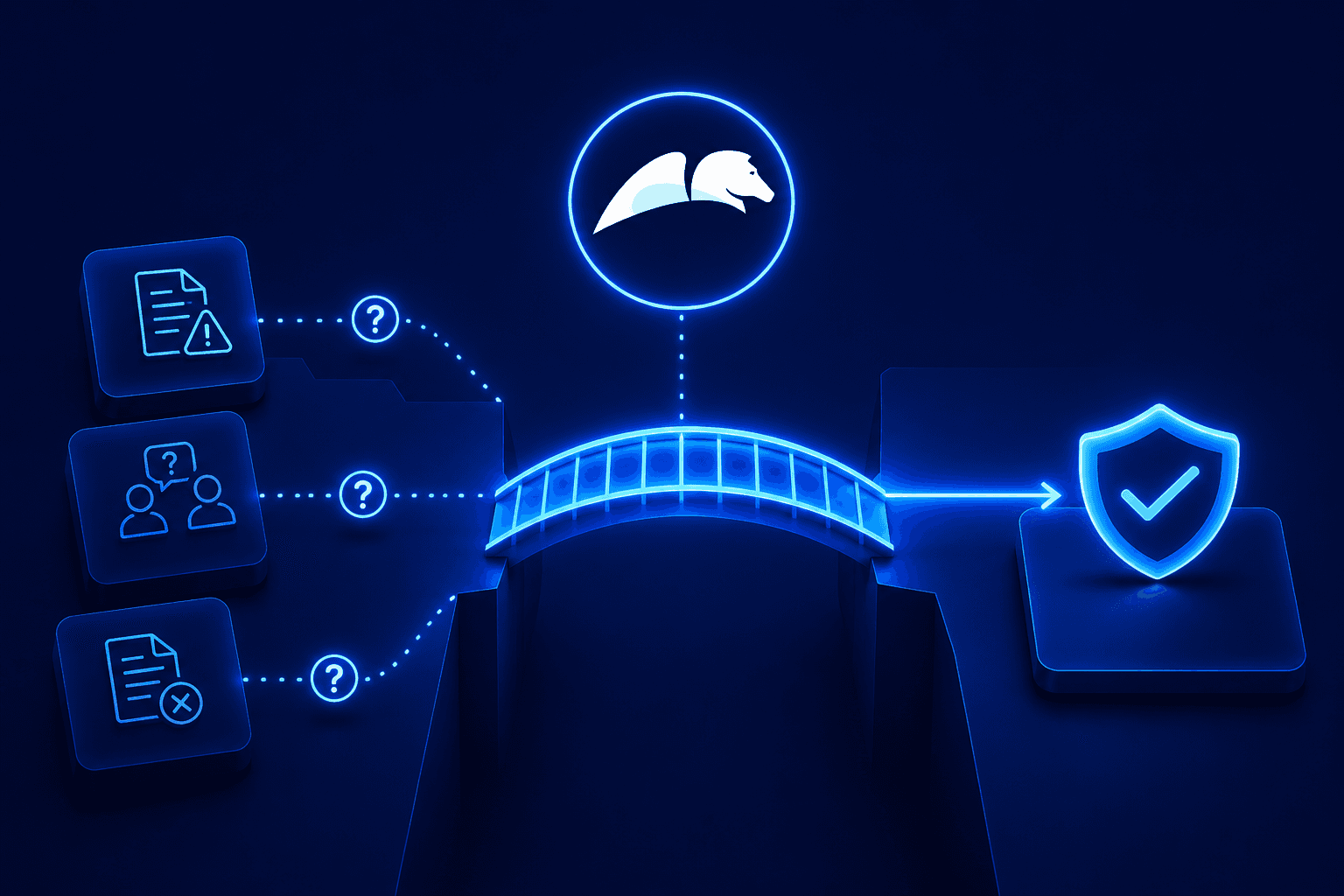
In claims, disputes, and appeals operations, a knowledge gap is a compliance risk. Learn how Rulesware implements Pega Knowledge Buddy to close it.
When Your Team Gets the Answer Wrong, the Cost Shows Up in the Audit In claims, disputes, and appeals operations, Pega Knowledge Buddy addresses a problem that most operations leaders know well but rarely name directly. The information needed to make a correct decision exists somewhere in the organization. The gap is between where that knowledge lives and where the work happens, and in regulated environments that gap carries a cost that goes well beyond productivity. A specialist handling a healthcare appeal mid-call does not have time to open SharePoint, search three folders deep, read through a policy document, and return to the conversation with the right answer. They make a judgment call, and when that judgment is wrong, the exposure does not show up in a productivity report. It shows up when a regulator asks why a determination was made the way it was.
HOW AI-ASSISTED KNOWLEDGE DELIVERY CHANGES CASE WORK IN REGULATED OPERATIONS
The shift that embedded knowledge agents enable is moving from search to synthesis. Rather than presenting an employee with a list of documents that might contain the answer, a knowledge agent reads those documents, interprets the question in the context of the case being worked, and returns a specific, sourced answer without the employee ever leaving their workflow. For a disputes specialist, the regulatory requirement for a specific chargeback reason code surfaces inside the case, cited to the current policy version, in the time it takes to type a question. For a claims examiner, clinical criteria for a coverage determination appear alongside the member record rather than in a separate system requiring a separate login. For an appeals coordinator managing tight response deadlines, escalation requirements and documentation standards are a prompt away rather than a conversation with a senior colleague who may or may not be available. For compliance teams reviewing decisions after the fact, every answer carries a citation trail that connects the determination back to the policy version that was active at the time it was made. Every answer is current, cited, and delivered inside the Pega workflow where the work is already happening. Every time an employee leaves their primary system to find information, they lose context, lose time, and introduce the possibility of returning to the wrong case or the wrong record. Keeping the answer inside the workflow is a process control, and in a regulated environment process controls are what audits look for.
WHAT THE IMPLEMENTATION REQUIRES
Pega Knowledge Buddy is a platform capability. What determines whether it delivers value in a regulated environment is the quality of the implementation behind it. The data sources it draws from need to be curated, not just connected. Pointing a knowledge agent at an unmanaged SharePoint library produces answers that are only as reliable as the documents inside it, which in most organizations means a mix of current policy, outdated guidance, and superseded versions nobody deleted. Before the agent can be trusted, the knowledge it accesses needs to be governed. The agent also needs to be scoped correctly for the operation it serves. A single knowledge agent trying to serve a claims team, a contact center, and a compliance function simultaneously will be tuned well for none of them. Each use case has different accuracy requirements, different source hierarchies, and different tolerance for ambiguity in the answer. Getting this right requires understanding the operations being served, not just the technology being configured. Finally, the integration needs to surface the right answer at the right moment in the workflow without requiring the employee to know how to ask for it, which is an implementation decision rather than a platform default.
HOW RULESWARE BUILDS THIS
Rulesware has been implementing Pega in financial services, healthcare payer, and insurance operations for twenty years. That means we have worked inside the specific workflows where a knowledge agent needs to perform: credit card disputes, healthcare appeals, insurance claims, collections, and the compliance functions that sit above all of them. We know what a well-governed knowledge source looks like in a regulated environment because we have built the case management infrastructure those sources need to connect to. We know which questions a disputes specialist asks most often under time pressure, where clinical criteria need to surface in a claims workflow, and what an auditor will look for when reviewing a decision informed by an AI-generated answer. That operational familiarity is what separates a Knowledge Buddy deployment that passes audit from one that introduces new risk while appearing to solve the old problem. We do not learn your operation during the engagement. We arrive already knowing what regulated operations require, and we build to that standard from day one. If your team is managing high-volume case work in a regulated environment and the knowledge gap is showing up in handle time, rework, or compliance findings, that is the conversation to have with us.